
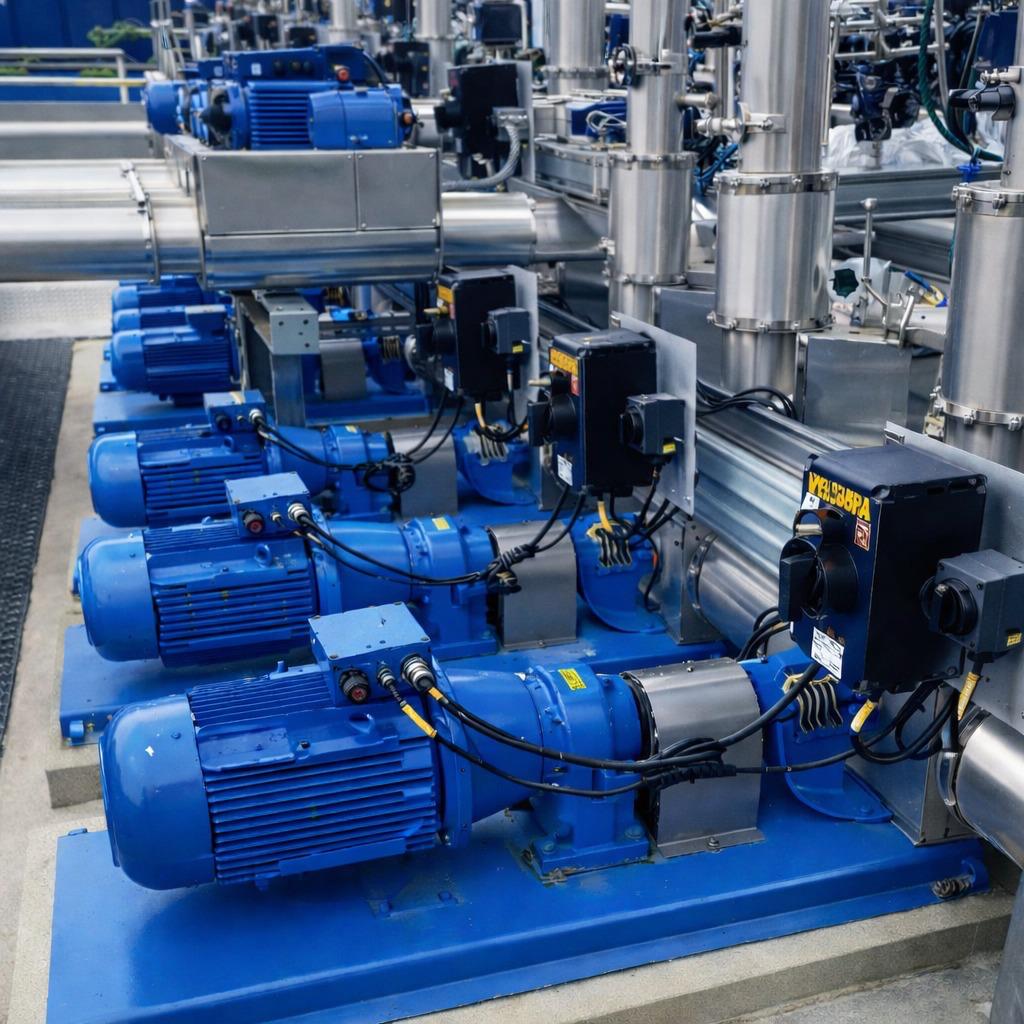
What Is Dry Running in Pumps and Why Should It Be Prevented?
In industrial pump systems, maintaining proper operating conditions is essential for safe and efficient performance. One of the key requirements is ensuring that the pump receives a sufficient supply of the fluid it is designed to transfer.
Dry running occurs when a pump operates with insufficient fluid or without any fluid inside it. Even for a short period, dry running can negatively affect pump components, depending on the pump type, operating conditions and sealing system.
What Causes Dry Running?
Dry running can result from various system or operating conditions. The most common causes include:
- Insufficient fluid level in the supply tank
- Blockages or restrictions in the suction line
- Air entering the system through the suction line
- Incorrect valve positions
- Inadequate priming or fluid supply during initial startup
- Malfunctions in the process or control system
Therefore, it is important to evaluate not only the pump itself but also the suction line and the overall system conditions.
How Can Dry Running Damage Pumps?
In many pump applications, the transferred fluid helps lubricate or cool certain internal components. When there is insufficient fluid, friction and temperature may increase.
Depending on the pump type and design, dry running can lead to:
- Damage to sealing components
- Accelerated wear of internal parts
- Increased friction and temperature
- Reduced pump performance
- Shortened service life of pump components
The effects of dry running vary depending on the pump type. Therefore, pump design, materials, sealing systems and application conditions should all be considered.
What Are the Symptoms of Dry Running?
During dry running, changes in the pump’s normal operating characteristics may occur. These can include unusual noise, increased temperature, reduced or interrupted flow and changes in overall performance.
However, these symptoms may also indicate other system-related problems. Therefore, both pump and process conditions should be carefully evaluated to identify the root cause.
How Can Dry Running Be Prevented?
One of the most effective ways to reduce the risk of dry running is to ensure that the pump receives a sufficient and continuous fluid supply.
Proper suction line design, monitoring tank levels, checking valve positions and regularly inspecting the system for air ingress are important preventive measures.
Depending on the application, level sensors, flow sensors or dry-running protection systems can also be used to automatically stop the pump when insufficient fluid is detected.
Proper Operating Conditions for More Reliable Pump Performance
Dry running is a problem that can largely be prevented through appropriate system design and proper operating conditions.
Regularly monitoring pump operating conditions and ensuring a continuous fluid supply help protect equipment service life, reduce unplanned downtime and maintain reliable system performance.
Yıldız Pompa provides pump solutions designed to meet the requirements of various industrial applications, fluid characteristics and process conditions.

Cavitation in Pumps: Causes, Symptoms and Prevention Methods
Cavitation is one of the significant issues that can lead to performance loss and equipment damage in pump systems. It occurs when the pressure inside a pump falls below the vapor pressure of the fluid, causing vapor bubbles to form. These bubbles then collapse suddenly when they reach areas of higher pressure.
This phenomenon not only reduces pump efficiency but can also cause wear and damage to pump components if it continues over time. Therefore, it is important to recognize the symptoms of cavitation and maintain operating conditions that help prevent its occurrence.
What Causes Cavitation?
The primary cause of cavitation is an excessive drop in pressure on the suction side of the pump. Several system and operating conditions may contribute to this:
- Insufficient suction pressure
- Long or undersized suction lines
- Unnecessary elbows, valves and fittings in the suction line
- Clogged filters or strainers
- High fluid temperature
- Operating the pump at unsuitable conditions or speeds
- Pump and piping designs that are not appropriate for the application
As fluid temperature increases, its tendency to vaporize may also increase. Therefore, temperature and suction conditions should be evaluated together.
What Are the Symptoms of Cavitation?
Cavitation often becomes noticeable through changes in the pump’s operating characteristics. The most common symptoms include:
- Abnormal noise from the pump
- Increased vibration
- Fluctuations or reductions in flow rate and pressure
- Reduced pump performance
- Surface wear and pitting on pump components
Ignoring these symptoms over an extended period may shorten the pump’s service life and increase maintenance requirements.
How Does Cavitation Damage Pumps?
When vapor bubbles collapse in higher-pressure regions, they generate microscopic impacts that can gradually cause wear on the pump’s internal surfaces.
Continued cavitation may damage internal components, increase vibration and noise, reduce performance and cause the system to operate inefficiently. In more advanced cases, it may lead to more frequent maintenance and a shorter equipment service life.
How Can Cavitation Be Prevented?
Preventing cavitation requires evaluating not only the pump itself but also the operating conditions of the entire system.
It is important to design the suction line with an appropriate diameter and keep it as short as practical, minimize unnecessary pressure losses and inspect filters regularly. Fluid temperature and pump operating speed should also be suitable for the application.
In addition, considering the system’s Net Positive Suction Head (NPSH) conditions during pump selection plays an important role in reducing the risk of cavitation. The NPSH available from the system should exceed the NPSH required by the pump, with an appropriate safety margin.
Proper System Conditions for Reliable Pump Performance
Cavitation is a problem that can largely be prevented through proper pump selection and suitable system design. Evaluating parameters such as fluid properties, temperature, suction conditions, flow rate and pressure together contributes to efficient, reliable and long-lasting pump operation.
Yıldız Pompa supports the development of systems suited to process requirements with pump solutions designed for a wide range of industrial applications and fluid characteristics.