
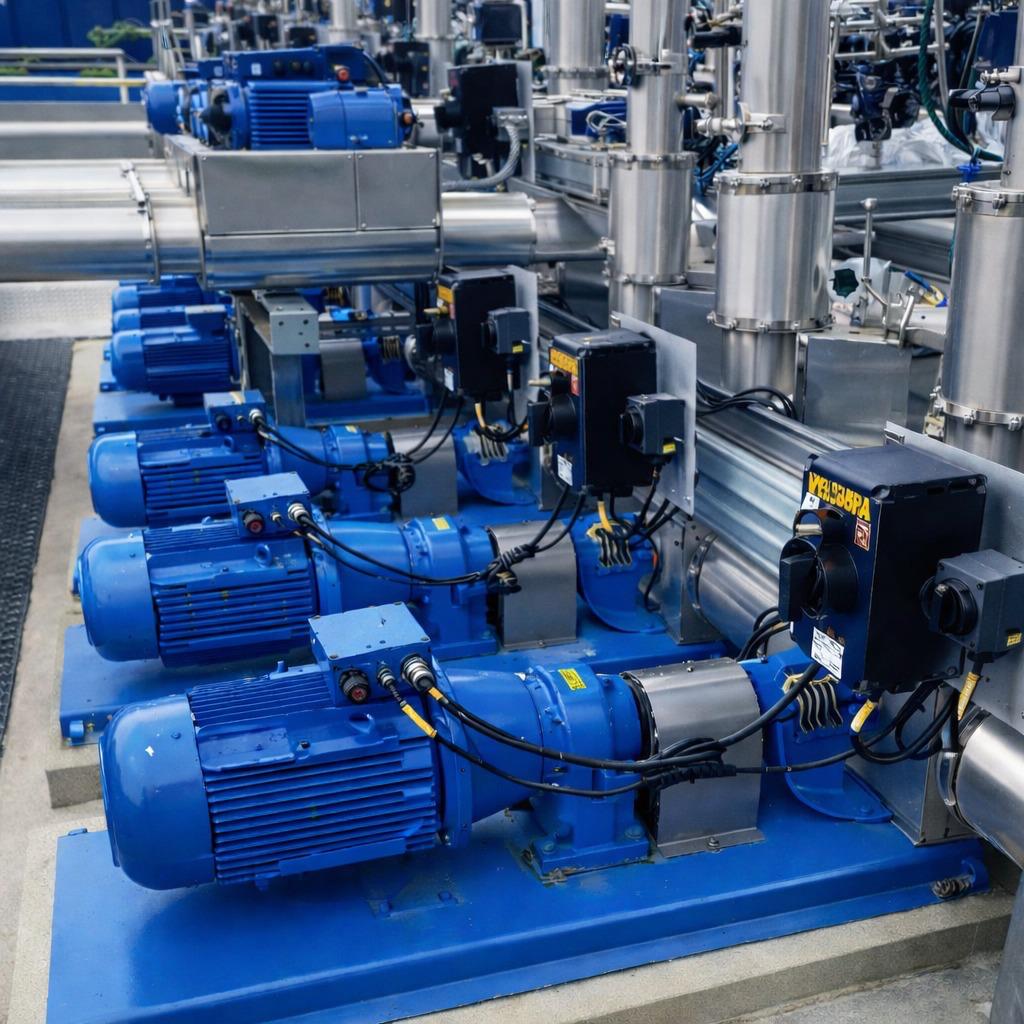
What Is Dry Running in Pumps and Why Should It Be Prevented?

What Is Dry Running in Pumps and Why Should It Be Prevented?

In industrial pump systems, maintaining proper operating conditions is essential for safe and efficient performance. One of the key requirements is ensuring that the pump receives a sufficient supply of the fluid it is designed to transfer.

Dry running occurs when a pump operates with insufficient fluid or without any fluid inside it. Even for a short period, dry running can negatively affect pump components, depending on the pump type, operating conditions and sealing system.

What Causes Dry Running?

Dry running can result from various system or operating conditions. The most common causes include:

  • Insufficient fluid level in the supply tank
  • Blockages or restrictions in the suction line
  • Air entering the system through the suction line
  • Incorrect valve positions
  • Inadequate priming or fluid supply during initial startup
  • Malfunctions in the process or control system

Therefore, it is important to evaluate not only the pump itself but also the suction line and the overall system conditions.

How Can Dry Running Damage Pumps?

In many pump applications, the transferred fluid helps lubricate or cool certain internal components. When there is insufficient fluid, friction and temperature may increase.

Depending on the pump type and design, dry running can lead to:

  • Damage to sealing components
  • Accelerated wear of internal parts
  • Increased friction and temperature
  • Reduced pump performance
  • Shortened service life of pump components

The effects of dry running vary depending on the pump type. Therefore, pump design, materials, sealing systems and application conditions should all be considered.

What Are the Symptoms of Dry Running?

During dry running, changes in the pump’s normal operating characteristics may occur. These can include unusual noise, increased temperature, reduced or interrupted flow and changes in overall performance.

However, these symptoms may also indicate other system-related problems. Therefore, both pump and process conditions should be carefully evaluated to identify the root cause.

How Can Dry Running Be Prevented?

One of the most effective ways to reduce the risk of dry running is to ensure that the pump receives a sufficient and continuous fluid supply.

Proper suction line design, monitoring tank levels, checking valve positions and regularly inspecting the system for air ingress are important preventive measures.

Depending on the application, level sensors, flow sensors or dry-running protection systems can also be used to automatically stop the pump when insufficient fluid is detected.

Proper Operating Conditions for More Reliable Pump Performance

Dry running is a problem that can largely be prevented through appropriate system design and proper operating conditions.

Regularly monitoring pump operating conditions and ensuring a continuous fluid supply help protect equipment service life, reduce unplanned downtime and maintain reliable system performance.

Yıldız Pompa provides pump solutions designed to meet the requirements of various industrial applications, fluid characteristics and process conditions.

Read More
Reliable Pump Performance

Cavitation in Pumps: Causes, Symptoms and Prevention Methods

Cavitation is one of the significant issues that can lead to performance loss and equipment damage in pump systems. It occurs when the pressure inside a pump falls below the vapor pressure of the fluid, causing vapor bubbles to form. These bubbles then collapse suddenly when they reach areas of higher pressure.

This phenomenon not only reduces pump efficiency but can also cause wear and damage to pump components if it continues over time. Therefore, it is important to recognize the symptoms of cavitation and maintain operating conditions that help prevent its occurrence.

What Causes Cavitation?

The primary cause of cavitation is an excessive drop in pressure on the suction side of the pump. Several system and operating conditions may contribute to this:

  • Insufficient suction pressure
  • Long or undersized suction lines
  • Unnecessary elbows, valves and fittings in the suction line
  • Clogged filters or strainers
  • High fluid temperature
  • Operating the pump at unsuitable conditions or speeds
  • Pump and piping designs that are not appropriate for the application

As fluid temperature increases, its tendency to vaporize may also increase. Therefore, temperature and suction conditions should be evaluated together.

What Are the Symptoms of Cavitation?

Cavitation often becomes noticeable through changes in the pump’s operating characteristics. The most common symptoms include:

  • Abnormal noise from the pump
  • Increased vibration
  • Fluctuations or reductions in flow rate and pressure
  • Reduced pump performance
  • Surface wear and pitting on pump components

Ignoring these symptoms over an extended period may shorten the pump’s service life and increase maintenance requirements.

How Does Cavitation Damage Pumps?

When vapor bubbles collapse in higher-pressure regions, they generate microscopic impacts that can gradually cause wear on the pump’s internal surfaces.

Continued cavitation may damage internal components, increase vibration and noise, reduce performance and cause the system to operate inefficiently. In more advanced cases, it may lead to more frequent maintenance and a shorter equipment service life.

How Can Cavitation Be Prevented?

Preventing cavitation requires evaluating not only the pump itself but also the operating conditions of the entire system.

It is important to design the suction line with an appropriate diameter and keep it as short as practical, minimize unnecessary pressure losses and inspect filters regularly. Fluid temperature and pump operating speed should also be suitable for the application.

In addition, considering the system’s Net Positive Suction Head (NPSH) conditions during pump selection plays an important role in reducing the risk of cavitation. The NPSH available from the system should exceed the NPSH required by the pump, with an appropriate safety margin.

Proper System Conditions for Reliable Pump Performance

Cavitation is a problem that can largely be prevented through proper pump selection and suitable system design. Evaluating parameters such as fluid properties, temperature, suction conditions, flow rate and pressure together contributes to efficient, reliable and long-lasting pump operation.

Yıldız Pompa supports the development of systems suited to process requirements with pump solutions designed for a wide range of industrial applications and fluid characteristics.

Read More
Industrial pump maintenance

Why Do Pumps Fail? The 5 Most Common Causes

Industrial pump systems are critical components that ensure production processes run continuously and efficiently. However, pumps may experience performance loss or failure over time. This not only increases maintenance costs but can also disrupt production.

In most cases, pump failures are caused not by manufacturing defects, but by improper operation, unsuitable working conditions, or insufficient maintenance. So, what are the most common causes of pump failure?

1. Dry Running

Operating a pump without the fluid it is designed to transfer is one of the most common causes of failure.

In positive displacement pumps, the fluid serves not only as the transferred product but also as a lubricant and coolant within the system. Dry running increases friction and temperature, which can damage internal components.

Mechanical seals and precision surfaces are particularly vulnerable to dry running.

2. Incorrect Pump Selection

Not every pump is suitable for every application. Selecting a pump without considering fluid viscosity, temperature, required flow rate, and operating pressure can lead to poor performance, excessive energy consumption, and unnecessary mechanical stress.

For example, using an unsuitable pump for a high-viscosity fluid may reduce system efficiency and shorten pump service life.

Therefore, all process conditions—not just flow rate—should be evaluated during pump selection.

3. Cavitation

Cavitation occurs when vapor bubbles formed inside the pump suddenly collapse in high-pressure areas.

Over time, this may damage pump components and can be identified by the following symptoms:

• Excessive noise
• Increased vibration
• Reduced flow rate
• Performance loss
• Damage to internal surfaces

Proper suction line design and suitable operating conditions are essential to prevent cavitation.

4. Changes in Fluid Properties

Some fluids are directly affected by temperature changes. As temperature decreases, viscosity may increase, the product may lose its flowability, and transfer can become more difficult. This is particularly common with resin, bitumen, chocolate, adhesives, and similar products.

In addition, solid particles or unexpected changes in fluid properties may accelerate equipment wear.

For this reason, potential process variations should also be considered during pump selection.

5. Inadequate Maintenance and Inspection

In systems without regular maintenance, minor issues can gradually develop into major failures. Failing to inspect worn components, sealing elements, bearings, and support systems can significantly reduce pump service life.

Planned preventive maintenance helps identify potential problems before they cause downtime, ensuring reliable system operation.

Conclusion

Most pump failures can be prevented through proper pump selection, suitable operating conditions, and regular maintenance.

Dry running, incorrect pump selection, cavitation, changes in fluid properties, and inadequate maintenance are among the most common causes of pump failure in industrial facilities.

Selecting the right pump and implementing regular inspection procedures extend equipment life while helping reduce operating costs.

Yıldız Pompa provides reliable industrial pump solutions and technical support tailored to the needs of different industries.

Read More
Yıldız Pompa Almanya Bayii pompalar

3 Common Mistakes in Pump Selection

The performance of an industrial pumping system begins with selecting the right pump. Factors such as fluid viscosity, operating pressure, temperature, and process conditions all play a critical role in achieving reliable and efficient operation. Ignoring these parameters during pump selection can result in reduced performance, higher operating costs, and premature equipment failure. Here are three of the most common pump selection mistakes—and how to avoid them.

1. Selecting a Pump Based Only on Flow Rate

One of the most common mistakes in pump selection is focusing only on the required flow rate. However, two different pumps delivering the same flow rate may perform completely differently depending on the fluid and operating conditions. Pressure, viscosity, temperature, and fluid characteristics are also important factors in the selection process.

Selecting a pump based only on flow rate may prevent the expected performance from being achieved.

2. Ignoring Fluid Viscosity

Not every pump is suitable for every fluid. Especially for high-viscosity products such as resin, chocolate, molasses, paint, shampoo, and various chemicals, the correct pump technology must be selected.

Ignoring viscosity during pump selection may result in:

• Low efficiency
• Excessive energy consumption
• Product damage
• Equipment wear

Therefore, the viscosity of the fluid must always be evaluated during pump selection.

3. Failing to Consider Temperature and Process Conditions

Some fluids are directly affected by temperature changes. In products such as bitumen, chocolate, resin, adhesives, and similar materials, viscosity may increase or the product may solidify when the temperature drops. This can negatively affect pump performance. For such applications, jacketed (heated) pumps or specially designed solutions should be preferred.

The operating temperature range, pressure, and process conditions must always be considered during pump selection.

What Information Is Required for Proper Pump Selection?

The following information is important for proper pump selection:

• Fluid type
• Viscosity
• Required flow rate
• Operating pressure
• Operating temperature
• Transfer distance
• Process conditions

Selecting a pump based on these parameters improves system efficiency and reduces operating costs.

Conclusion

Small mistakes in pump selection can lead to significant long-term costs. Evaluating flow rate, viscosity, temperature, and process conditions together play a critical role in determining the most suitable pump for the application.

Yıldız Pompa provides technical support to its customers throughout the pump selection process with industrial pump solutions for different industries and applications.

Read More
Yüksek Viskoziteli Akışkanlarda Kullanılan Pompalar

The Importance of Temperature Control in High-Viscosity Fluids

Some industrial fluids are directly affected by temperature changes. As temperature decreases, the viscosity of the fluid may increase, flow can become more difficult, and the product may even solidify completely. In such applications, simply transferring the fluid is not enough; the product must also be maintained at an appropriate temperature throughout the process. Otherwise, system efficiency may decrease and production disruptions may occur.

Especially for:

  • Bitumen
  • Chocolate
  • Molasses
  • Resin
  • Adhesives
  • Heavy oils
  • Certain chemical fluids temperature control is of great importance.

This is where jacketed (heated) pumps come into play.

What Is a Jacketed Pump?

Jacketed pumps are special pumping systems equipped with an additional heating chamber surrounding the pump casing, bearing bracket, or cover.

Hot water, steam, or thermal oil is circulated through this chamber to maintain the fluid inside the pump at a specific temperature.

The purpose is to:

  • Maintain fluid flowability
  • Facilitate transfer
  • Ensure efficient system operation

Why Are They Used?

  • To Prevent Fluid Solidification

Some products can harden or become completely solid at low temperatures. For example, bitumen, chocolate, molasses, and paraffin-based products are highly sensitive to heat loss.

Jacketed systems help maintain the fluid at the required temperature throughout the transfer process. However, having only a jacketed pump is not sufficient; the transfer line should also be jacketed to prevent heat loss.

  • To Control Viscosity

As temperature decreases, the viscosity of many fluids increases.

High viscosity may lead to:

  • Reduced flowability
  • Increased pressure
  • Higher energy consumption
  • Reduced pump performance

Jacketed pumps help keep the fluid within the desired viscosity range.

  • To Ensure More Stable and Efficient Transfer

Maintaining the fluid at the proper temperature provides:

  • More stable flow rates
  • Higher operational efficiency
  • More reliable transfer

Temperature control offers significant advantages, especially in processes where production continuity is critical.

Which Industries Use Jacketed Pumps?

Jacketed pump systems are widely used across many industries. Main application areas include:

  • Bitumen and asphalt plants
  • Food production
  • Chocolate and confectionery manufacturing
  • Chemical industry
  • Paint and resin applications
  • Heavy oil transfer systems

Why Is Proper Pump Selection Important?

Every fluid has different:

  • Viscosity characteristics
  • Operating temperatures
  • Transfer conditions
  • Process requirements

Therefore, when selecting a jacketed pump, the following factors should be evaluated together:

  • Temperature requirements
  • Fluid properties
  • Flow rate
  • Pressure
  • System configuration

Selecting the right pump is critical for process efficiency and product quality when handling high-viscosity fluids that require temperature control. Yıldız Pompa provides jacketed pump solutions for a wide range of applications, from bitumen and chocolate to resins and heavy oils. Contact our expert team to find the most suitable pump solution for your application.

Read More

Flow Rate and Pressure Relationship in Pumps

In industrial pump systems, two of the most encountered technical concepts are flow rate and pressure. These two parameters play a critical role in everything from pump selection to overall system efficiency.

However, flow rate and pressure are often confused with one another or evaluated independently. Both values must be considered together to ensure correct pump selection.

What Is Flow Rate?

Flow rate refers to the amount of fluid transferred within a specific period. It is generally expressed in units such as:

  • m³/h (cubic meters per hour)
  • L/min (liters per minute)

In simple terms, flow rate answers the question: “How much fluid is being transferred?” For example:

  • If a facility requires the transfer of 20 m³ of oil per hour,
  • The pump must have the capacity to provide that required flow rate.

What Is Pressure?

Pressure refers to the force required for the fluid to move through the system. It is commonly measured in units such as:

  • Bar
  • PSI

Pressure requirements may vary depending on several factors, including:

  • Pipeline length
  • Pipe diameter
  • Filters
  • Valves
  • Elevation differences
  • Fluid viscosity

In simple terms, pressure answers the question: “What pump force is required to maintain the desired flow rate?”

How Do Flow Rate and Pressure Affect Each Other?

In pump systems, flow rate and pressure are directly related. In general:

  • As system resistance increases, pressure requirements rise.
  • As pressure increases, the achievable flow rate may change.

For this reason, focusing only on high flow rate or only on high pressure is not sufficient. The entire system should be evaluated during pump selection.

Why Should They Be Evaluated Together?

Incorrect flow rate or pressure calculations may lead to:

  • Inefficient operation
  • High energy consumption
  • Excessive wear
  • Vibration
  • Product quality deterioration
  • Pump failures

Especially in high-viscosity fluid applications, maintaining the correct balance between flow rate and pressure becomes even more critical.

Why Are Fluid Properties Important?

Not all fluids behave the same way. For example:

  • Bitumen
  • Resin
  • Molasses
  • Chocolate
  • Paint
  • Chemical fluids, all have different viscosity characteristics.

These differences directly affect both the system pressure and the flow rate the pump can achieve. Therefore, pump selection should consider not only capacity requirements but also the properties of the fluid being transferred.

What Is Required for Proper Pump Selection?

When selecting a pump, the following factors should be analysed together:

  • Required flow rate
  • System pressure
  • Fluid viscosity
  • Temperature
  • Pipeline structure
  • Process conditions

Correctly calculated flow rate and pressure values provide:

  • More efficient operation
  • Lower maintenance requirements
  • Longer equipment life

Yıldız Pompa Solutions

At Yıldız Pompa, while developing pump solutions for different industries, we evaluate:

  • Flow rate
  • Pressure
  • Fluid characteristics
  • Process conditions, as a complete system.

For detailed information about our industrial pump solutions for chemical, food, paint, petrochemical, and high-viscosity fluid applications, please visit our website.

🔗 www.yildizpompa.com/en

Read More